.jpg)


Why Bother With Zoos? The Vital Role of Zoos, Wildlife Parks and Bird Gardens in a World Facing Mass Extinction
- carlgroombridge71

- Aug 23
- 10 min read
Introduction: An Industry Under the Microscope
Ask ten people what they think about zoos and you will probably get ten different answers. Some will tell you about a childhood memory of standing eye-to-eye with a gorilla for the very first time. Others will voice genuine concerns about animals in human care and question whether zoos, wildlife parks and bird gardens still have a place in today's modern world. Both perspectives deserve respect, and both deserve an honest, informed response.
The zoological sector — encompassing zoos, aquariums, bird gardens, insect parks, wildlife parks, terrarium and vivaria centres, animal education centres and open park farms — faces more scrutiny today than at any point in its history. Rising operational costs, changing public expectations, social media criticism and evolving welfare science all present real challenges. It would be easy to conclude that the industry is on the back foot.
Yet here is the uncomfortable truth that changes the entire conversation: we are standing on the edge of what scientists widely describe as the sixth mass extinction. According to the IUCN Red List, more than 44,000 species are currently threatened with extinction. Habitat destruction, climate change, invasive species, disease and illegal wildlife trade are stripping biodiversity from our planet at a rate estimated to be hundreds, possibly thousands, of times faster than the natural background rate.
In this context, the question is no longer "Why bother with zoos?" The question becomes "How could we possibly manage without them?"
This article explores why modern zoological collections matter more than ever, presents ten proven conservation success stories from across the animal kingdom, and explains how professional zoo consultancy — such as that offered by Animal Insights Consultancy — is no longer a "nice to have" but an essential part of building resilient, respected and future-proof animal collections.
The Case for Modern Zoos: Far More Than Entertainment
The modern, well-run zoological collection bears little resemblance to the menageries of the past. Today's leading zoos, aquariums and wildlife parks are conservation organisations, scientific research hubs, education providers and community assets rolled into one.
Consider what the sector actually delivers:
Conservation breeding and genetic insurance. Coordinated ex-situ breeding programmes — such as EAZA Ex-situ Programmes (EEPs) in Europe and Species Survival Plans (SSPs) in North America — maintain genetically healthy populations of threatened species. These populations act as an insurance policy against extinction and, crucially, as a source of animals for reintroduction to the wild.
Scientific research. Zoos and aquariums contribute enormously to our understanding of animal behaviour, nutrition, veterinary medicine, reproductive biology and welfare science. Much of what field conservationists know about elusive species was first learned in zoological collections.
Education and connection. More than 700 million people visit zoos and aquariums worldwide every year. For many urban families, a wildlife park or bird garden is the only place they will ever hear a hornbill call, watch leafcutter ants at work, or feel the genuine awe of proximity to a living tiger. That emotional connection is the seed from which conservation-minded citizens grow. You cannot ask people to protect what they have never experienced.
Funding the front line. Good zoological collections channel significant funds directly into in-situ (in the wild) conservation projects — anti-poaching patrols, habitat restoration, community education and field research across the globe.
Rescue, rehabilitation and welfare leadership. Many collections act as sanctuaries for confiscated, injured or displaced wildlife, and drive welfare standards upwards across the whole animal care profession.
Critics are right to demand high standards — and the sector should welcome that demand. But dismissing zoos wholesale means dismissing one of humanity's most powerful, proven tools against extinction.
Proof, Not Promises: 10 Species Saved or Recovered Thanks to Zoo-Based Conservation
Conservation breeding is not a theory. It is a tested, repeatable technique with documented successes across an extraordinary range of taxa — mammals, birds, reptiles, amphibians, fish, insects, molluscs and even corals. Here are ten powerful examples:


1. California Condor
(Bird — Gymnogyps californianus)
By 1987, just 27 California condors remained on Earth, and every single one was brought into human care in a last-ditch rescue. Through meticulous zoo-led breeding at San Diego and Los Angeles Zoos, the population now exceeds 500 birds, with more than half flying free over California, Arizona and Mexico. Without zoos, this iconic vulture would be extinct.

2. Arabian Oryx (Mammal — Oryx leucoryx)
Hunted to extinction in the wild by 1972, the Arabian oryx survived only because of "Operation Oryx" — a captive herd assembled at Phoenix Zoo. Reintroductions began in the 1980s, and in 2011 it became the first species ever downlisted from Extinct in the Wild to Vulnerable on the IUCN Red List. Over 1,000 now roam the deserts of the Arabian Peninsula.
3. Przewalski's Horse

(Mammal — Equus ferus przewalskii)
The world's last truly wild horse vanished from the Mongolian steppe by the late 1960s. Every Przewalski's horse alive today descends from around a dozen founders kept in zoological collections. Coordinated international studbook management enabled successful reintroductions to Mongolia, where wild herds now thrive again.

4. Golden Lion Tamarin (Primate — Leontopithecus rosalia)
This flame-coloured Brazilian primate fell to roughly 200 individuals in the wild by the 1970s. A global zoo breeding programme, paired with Atlantic Forest habitat restoration, rebuilt the population to around 4,800 today — approximately one third of which descend from zoo-born, reintroduced animals.

5. Española Giant Tortoise (Reptile — Chelonoidis hoodensis)
Down to just 15 individuals, the Española giant tortoise was rescued by a captive breeding programme on the Galápagos Islands. One legendary male, "Diego" (a long-time resident of San Diego Zoo), fathered hundreds of offspring. More than 2,000 tortoises have been returned to Española Island — a textbook reptile conservation triumph.

6. Mountain Chicken Frog (Amphibian — Leptodactylus fallax)
One of the world's largest frogs, native to Dominica and Montserrat, was devastated by the deadly chytrid fungus. Emergency rescue populations at institutions including ZSL London Zoo, Jersey Zoo and Chester Zoo have kept the species alive, refined amphibian biosecurity techniques, and supported trial reintroductions — knowledge now applied to amphibian crises worldwide.

7. Tequila Splitfin (Fish — Zoogoneticus tequila)
Declared extinct in the wild in 2003, this small Mexican river fish survived thanks to aquarium populations maintained by universities and zoos, including Chester Zoo. In 2021–2022, reintroduced populations were confirmed to be breeding in the Teuchitlán River — celebrated by the IUCN as a model for freshwater fish recovery.

8. Lord Howe Island Stick Insect (Insect — Dryococelus australis)
Believed extinct for 80 years, the "tree lobster" was rediscovered in 2001 clinging to a single shrub on a sea stack called Ball's Pyramid. From two rescued pairs, Melbourne Zoo has bred thousands of individuals, safeguarding one of the world's rarest invertebrates and proving that insect conservation breeding works.

9. Partula Snails (Mollusc — Partula spp.)
Polynesian tree snails were annihilated by an introduced predatory snail, with many species surviving only in zoos. An international consortium led by institutions such as ZSL London Zoo and Edinburgh Zoo has bred multiple Partula species and returned over 21,000 snails to Tahiti and neighbouring islands since 2015 — one of the largest invertebrate reintroduction programmes ever undertaken.
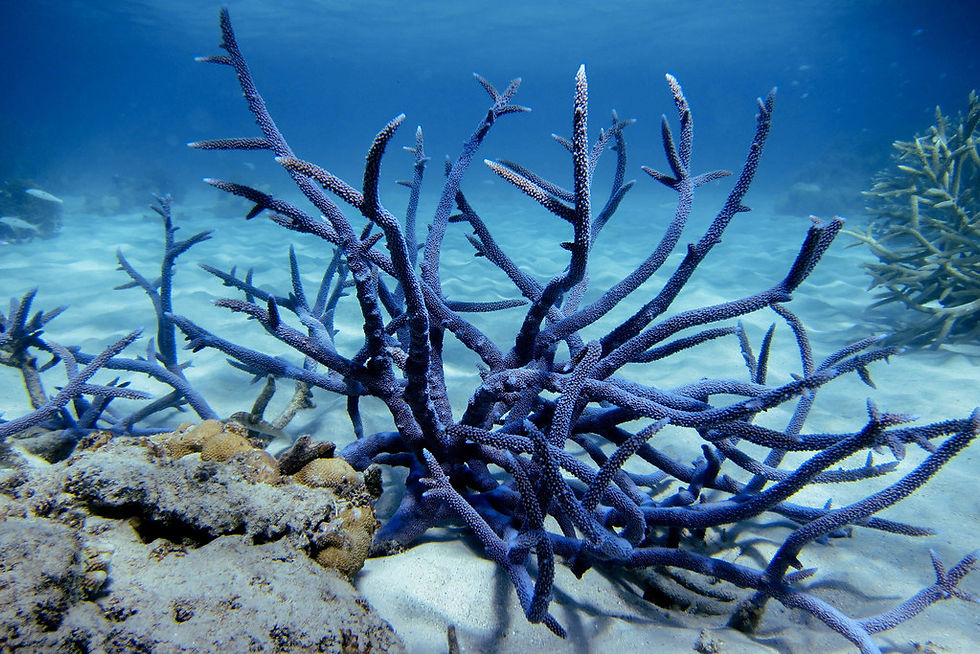
10. Staghorn and Elkhorn Corals (Cnidarian — Acropora spp.)
Aquariums are now on the front line of reef conservation. Institutions across Florida, Europe and Australia have pioneered coral spawning, cryopreservation and "coral gardening" techniques, growing thousands of coral fragments for reef restoration. When an unprecedented bleaching crisis struck Florida's reef in 2023, aquarium facilities became emergency arks for rescued corals.
Ten species. Ten different branches of the tree of life. One consistent lesson: when zoological expertise, coordinated planning and long-term commitment come together, extinction is not inevitable.
Animal Insights Consultancy: The Bigger Picture Behind Every Great Collection
Success stories like those above do not happen by accident. Behind every thriving zoo, aquarium or bird garden sits an enormous amount of strategic planning — and this is where professional zoo consultancy stops being a luxury and becomes mission-critical.
Animal Insights Consultancy works with zoological collections of every size and type to strengthen the four pillars on which every successful institution stands:
1. Animal Collection Planning
Which species should you hold, and why? A modern collection plan must balance conservation value, education impact, visitor engagement, welfare needs, space, budget, staff expertise and participation in coordinated breeding programmes. Too many collections drift into holding species by historical accident rather than strategic intent. Expert collection planning transforms a random assortment of animals into a purposeful, conservation-driven portfolio — one that regulators respect, accreditation bodies endorse and visitors genuinely value.
2. Staff Dynamics and Team Development
Animals thrive when the people caring for them thrive. Keeper teams face physically demanding work, emotional attachment to animals, and increasing professional expectations. Poor communication, unclear responsibilities and stretched rotas quietly erode both welfare standards and staff retention. A consultancy perspective brings fresh eyes to team structure, training pathways, succession planning and workplace culture — turning good keepers into confident, empowered animal professionals who stay in the sector.
3. Animal Habitats and Enclosure Design
Habitat design sits at the intersection of animal welfare, visitor experience and operational practicality. Getting it right means understanding species-specific behavioural needs, environmental enrichment, safety, drainage, planting, sight-lines, keeper access and future flexibility. Getting it wrong is expensive — sometimes catastrophically so. Independent expert review at the design stage saves collections from costly mistakes and delivers habitats where animals display natural behaviour and visitors witness it.
4. Zoo Infrastructure and Future-Proofing
Beyond the enclosures themselves lie quarantine facilities, veterinary provision, food preparation areas, water treatment, biosecurity, visitor flow, accessibility and sustainability systems. Infrastructure decisions made today shape a collection's capabilities for decades. Strategic infrastructure planning ensures every pound invested strengthens both animal welfare and business resilience.
The point is simple: in a sector facing tighter regulation, higher public expectations and genuine financial pressure, independent expert guidance is more than a nice to have — it is the difference between institutions that merely survive and institutions that lead.
Moving Proactively Forwards: Winning Public Trust and Staying Respected
How does the zoological community — aquariums, insect parks, bird gardens, wildlife parks, animal education centres, terrarium and vivaria centres, and open park farms — attract the public of tomorrow while remaining a respected family of devoted professionals? The answer lies in being proactive rather than defensive.
Lead with transparency. Show the public how animals are cared for, why species are held, and where conservation funds go. Behind-the-scenes experiences, keeper talks and honest communication build trust far faster than glossy marketing.
Put welfare visibly first. Welfare science is advancing rapidly; embrace it publicly. Collections that measure, publish and improve welfare outcomes turn their biggest criticism into their strongest credential.
Tell the conservation story relentlessly. Every Partula snail, every condor chick, every reintroduced tortoise is a story the public wants to hear. Connect visitors emotionally to real outcomes — extinction prevented, habitats restored, species returned home.
Champion the smaller collections. Bird gardens, insect parks, terrarium centres and open park farms play a unique role: they offer intimate, affordable, close-up animal experiences that giant institutions cannot replicate. A child mesmerised by a stick insect or hand-feeding a goat at an open farm is a future conservationist in the making. The sector is strongest when every type of collection is valued.
Invest in people. Recruit diverse talent, develop keepers into leaders, and celebrate the profession. A respected sector begins with respected professionals.
Collaborate, don't compete. Shared breeding programmes, shared research, shared standards and shared advocacy make the whole community more resilient than any single institution can be alone.
Modernise the visitor experience. Blend digital engagement, immersive habitats, citizen science and hands-on education so that a day out becomes a lifelong connection with the natural world.
Collections that embrace these principles will not just weather public scrutiny — they will convert sceptics into supporters and visitors into advocates.
A Personal Statement from Carl Groombridge, Director of Animal Insights Consultancy
"I have devoted my working life to animals and to the remarkable people who care for them, and I want to say this clearly: I believe in this sector with all my heart.Yes, we face challenges — financial pressures, public scrutiny and the sheer scale of the biodiversity crisis. But I have stood in bird gardens, aquariums, insect houses, wildlife parks and open park farms across this industry, and everywhere I go I meet the same thing: extraordinary dedication. Keepers who arrive before dawn. Curators who fight for one more breeding recommendation. Educators who light a spark in a child's eyes that never goes out. This is not just an industry — it is a community of devotees, and it is one of the great unsung forces for good in the modern world.The species success stories in this article are not miracles. They are the result of planning, professionalism and passion — qualities this sector has in abundance. As we face the very real threat of a sixth mass extinction, our zoos, aquariums and wildlife collections are not relics of the past; they are arks for the future, and the wild will need every one of them.At Animal Insights Consultancy, my commitment is to stand shoulder to shoulder with collections of every size — helping you plan smarter collections, build stronger teams, design better habitats and future-proof your infrastructure. Whether you run a major zoo or a small bird garden, your work matters, your animals matter and your people matter.So let us move forwards together: proactive, transparent, ambitious and proud. The animals cannot speak for themselves — but together, we can make sure the world hears them. I am here to help, and I have never been more optimistic about what this wonderful sector can achieve."— Carl Groombridge, Director, Animal Insights Consultancy
Final Thoughts
The debate around zoos will continue — and a healthy sector should welcome the conversation. But the evidence is beyond dispute: from condors to corals, snails to stick insects, zoo-based conservation works. In a world losing species faster than at any time in human history, zoological collections are not part of the problem. Properly planned, professionally supported and passionately run, they are one of our best solutions.
The future belongs to collections that plan strategically, invest in their people, design habitats around animal needs and engage the public with honesty and heart. With expert partners like Animal Insights Consultancy, that future is within reach for every zoo, aquarium, bird garden, insect park, wildlife park, education centre, vivaria centre and open park farm ready to take the next step.
The sixth mass extinction is knocking. The zoological community holds one of the keys to keeping the door shut. Why bother with zoos? Because the wild needs them — now more than ever.
Image credits: All species photographs are genuine wildlife photography sourced from Wikimedia Commons under Creative Commons licences. Please retain the photo credit captions when publishing.


Comments