.jpg)


Water filtration for all animal sizes and needs. meeting life support requirements .

Updated: Aug 12
Modern zoos and wildlife parks house an increasingly diverse range of species, many of which depend on carefully managed aquatic environments. From large marine mammals to delicate reptiles, the quality of the water they live in has a direct impact on their health and behaviour. Filtration systems must therefore be robust, species appropriate and easy to maintain. Getting the design right requires specialist knowledge, which is where an animal insights consultancy can make a significant difference.

Why Filtration Matters for Zoo Welfare
Water quality is one of the most critical factors in the husbandry of aquatic and semi aquatic animals. Poor filtration can lead to a build up of ammonia, nitrites and harmful bacteria, causing stress, disease and even mortality. Beyond basic health, clean water encourages natural behaviours such as foraging, swimming and social interaction. In a zoo setting, visitors also benefit from clear viewing conditions, which supports the educational mission of the collection. A well planned life support system is not just about keeping water clear; it is a fundamental part of maintaining high welfare standards.
Animal Insights Consultancy, led by Carl Groombridge, has over 35 years of hands on zoological experience. The consultancy offers services that include habitat design and staff training, both of which are essential when implementing or upgrading filtration. By considering the specific needs of each species and the practical constraints of the facility, a consultancy can help a zoo avoid costly mistakes and ensure the system supports long term animal wellness.
Different Species, Different Filter Needs
No single filtration system works for every animal. Aquatic mammals, birds and reptiles each require different technology because their biology, waste output and environmental preferences vary widely. Understanding these differences is key to providing appropriate care.
Aquatic Mammals
Marine mammals such as seals, sea lions and dolphins produce substantial waste and require high turnover filtration to maintain water clarity and chemistry. These systems often combine mechanical filtration to remove solids, biological filtration to break down waste products, and chemical filtration such as ozone or UV sterilisation to control pathogens. The large volumes of water involved mean the plant machinery must be sized correctly and have backup capabilities in case of failure. Access for routine maintenance is critical, because even a short interruption to filtration can degrade water quality rapidly. An animal insights consultancy can advise on the best configuration for a given species and exhibit, ensuring the system aligns with modern welfare recommendations.
Aquatic Birds
Penguins, ducks, flamingos and other waterfowl have specific filtration requirements. Their aquatic areas often need a gentle flow to avoid stressing the birds, and the substrate must be cleanable without harming foot health. Feather debris and faeces can clog filters quickly, so pre filtration or skimming is usually necessary. Many exhibits also incorporate land areas that drain back into the water, adding organic matter to the load. Filtration for aquatic birds must therefore be oversized and easy to access for daily cleaning. The use of salt water or fresh water also influences the choice of materials; corrosion resistance becomes a priority in marine bird exhibits. A consultancy can help zoo teams select robust components that stand up to continuous use and simplify the workload for keepers.
Reptiles and Amphibians
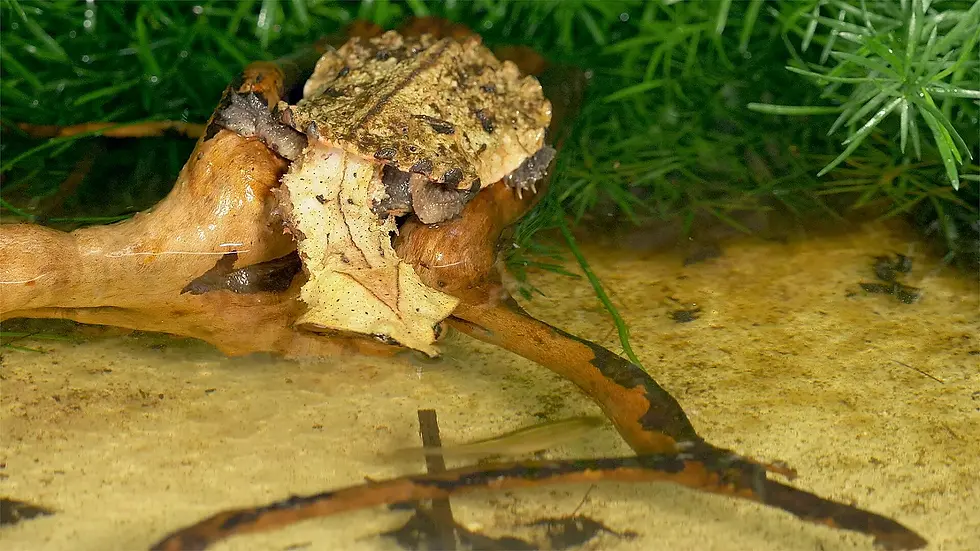
Turtles, terrapins, crocodilians and aquatic amphibians present a different set of challenges. They often live in smaller, shallower pools where water quality can deteriorate faster. Many reptiles are messy feeders, leaving uneaten food and waste that demands efficient mechanical filtration. Biological filtration must be carefully managed, as the water temperatures preferred by reptiles can affect bacterial activity. Additionally, some species require very low nitrate levels to prevent shell or skin issues. Filtration for reptiles and amphibians should be simple to dismantle and clean, because debris can build up in corners and pipes. Incorporating easy access hatches or removable filter media saves keepers hours of labour and reduces the risk of system neglect. An animal insights consultancy can review existing setups and recommend modifications that improve both hygiene and keeper efficiency.
Designing Filters for Easy Maintenance
No matter how advanced the filtration technology is, it will only perform well if it is properly maintained. Zoo staff often work under time pressure, and a system that is difficult to clean or repair may fall behind schedule. Designing for ease of access from the earliest stage of exhibit planning can prevent these problems. Considerations include locating filter vessels and pumps in a dedicated plant room with enough space for a person to move around, using quick release couplings for media changes, and installing isolation valves so that sections can be serviced without draining the whole system. Clear labelling and colour coded pipework also help reduce errors during maintenance. A consultancy with experience in zoo operations can flag these practical details, drawing on knowledge of what has worked in other collections.
Regular maintenance schedules should be integrated into the zoo's operational plan. Training for keepers and technicians on how to check and clean filter components is essential. Animal Insights Consultancy offers staff training as part of its services, helping teams understand the principles behind filtration and the specific procedures for their equipment. This investment in knowledge pays off by extending equipment life and maintaining consistent water quality.

How an Animal Insights Consultancy Can Help
Choosing and maintaining filtration systems is a specialised area that sits within the broader discipline of zoo animal welfare. A consultancy that understands both the biology of the animals and the practicalities of running a zoo can provide invaluable support. Animal Insights Consultancy, led by Carl Groombridge, works with zoos and wildlife parks across the UK and USA. Services include habitat design, ZIMS database management, licensing support and husbandry advice, all of which complement the design of life support systems.
For example, if a zoo is planning a new penguin exhibit, a consultancy can advise on the filtration capacity needed, the type of biological media best suited to cold water, and the layout of the plant room to facilitate daily cleaning. They can also help write maintenance protocols and train the keeper team. Similarly, when upgrading an existing reptile house, a consultancy can audit the current filtration and suggest cost effective improvements that raise welfare standards without a complete rebuild.
Animal Insights Consultancy offers a free introductory consultation, allowing zoo managers to discuss their specific challenges and explore how expert input can deliver better outcomes for the animals. This initial conversation can cover everything from water testing regimes to the integration of filtration with other husbandry routines.

Frequently Asked Questions
What types of filters are best for a penguin pool?
Penguin pools typically need a combination of mechanical, biological and chemical filtration. High rate sand filters or bead filters remove solids, while a biofilter handles ammonia and nitrite. UV sterilisation or ozone helps control pathogens. The system should be sized for a high turnover rate and have easy access for cleaning, as penguins soil the water quickly.
How often should zoo filtration systems be cleaned?
Daily checks are common for mechanical pre filters such as screens or skimmers. Biological filters may be cleaned less frequently, sometimes monthly or quarterly depending on the load and water testing results. A written maintenance schedule tailored to the specific system is recommended. Training staff to monitor water parameters helps determine when cleaning is needed.
Can a consultancy help design a filtration system for a new reptile exhibit?
Yes. A consultancy with zoo experience can assess the species' requirements, water volume, temperature and feeding habits to recommend an appropriate filtration setup. They can also review blueprints to ensure the plant room is accessible and that pipework allows for easy isolation and cleaning. This prevents costly redesigns later.
What difference does easy maintenance access make to animal welfare?
When filters are hard to reach, cleaning is more likely to be delayed or rushed. This can lead to deteriorating water quality, which stresses animals and increases disease risk. By designing for quick, simple maintenance, zoos keep water parameters stable and reduce the workload on keepers, allowing them to focus more on animal observation and enrichment.
Getting filtration right is an ongoing process that benefits greatly from expert guidance. Whether starting from new or refining an existing system, zoo managers can rely on the practical, hands on support that an animal insights consultancy provides. By combining species knowledge with operational know how, consultancies such as Animal Insights Consultancy help zoos deliver the high welfare standards that animals deserve and visitors expect.




Comments