.jpg)


Gerald Durrell and Jersey Zoo- the first real conservational thinking zoo in the UK.

Updated: Aug 18

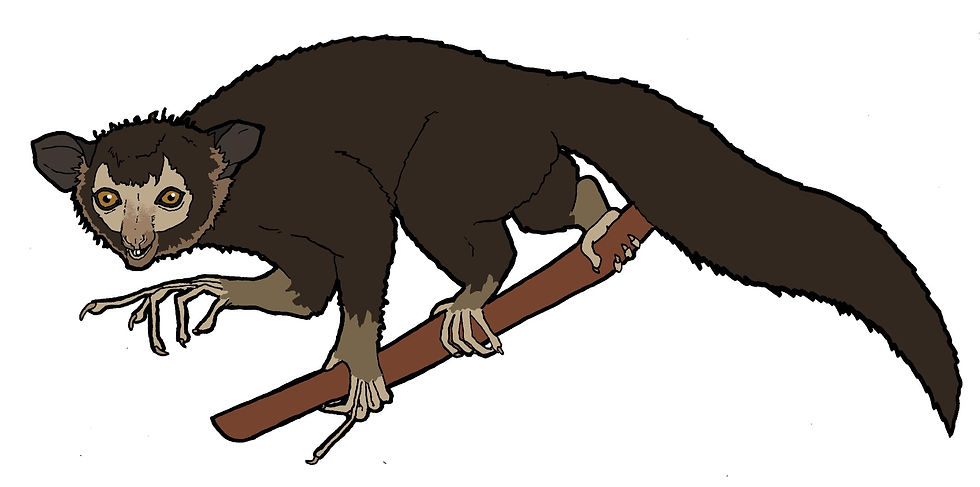
One of my hero's is Gerald Durrell, someone who I'm sure I would have got on well with. His vision and foresight to conserve those little brown jobs and other species often overlooked. A truly inspirational person who I often reflect on his views. Recently enjoying listening to audible book whilst driving to one of my zoo clients, Gerry's passion and vision for the world is surreal. Even to this day, Durrell Conservation Centre, has overcome challenges, however the estate and animal collection is still a lovely place with vision.

The Early Years: From British India and Corfu
Gerald Durrell was born on 7 January 1925 in Jamshedpur, British India. His family's move to the Greek island of Corfu when he was a young boy sparked a lifelong fascination with the natural world. That early immersion in the wild landscapes and creatures of Corfu would later be immortalised in his bestselling book My Family and Other Animals, the first of many works that brought his love of animals to a global audience. But Durrell's path to becoming a conservation pioneer was not a straight line. He began his career as a collector of animals for zoos and museums, a role that today would raise ethical questions. Yet it was precisely this hands-on experience with the realities of animal capture and captivity that led him to question the purpose of zoos and ultimately to reshape them.
The Turning Point: From Trader to Reformer
Durrell became convinced that the traditional model of keeping animals in cramped, sterile cages served no higher purpose than public spectacle. He witnessed at first hand the poor conditions in which many zoo animals lived and the lack of any meaningful conservation or education effort. This drove him to develop a new philosophy: that zoos could be transformed into vital centres for saving endangered species, training conservationists, and conducting scientific research. He did not simply criticise the old ways; he set out to build a different kind of zoo from scratch.

Founding Jersey Zoo
In 1959, Gerald Durrell founded Jersey Zoo on the island of Jersey. It was not designed as a traditional menagerie. Instead, Durrell envisioned a place where endangered animals would be bred in carefully managed conditions, where the welfare of each individual creature was paramount, and where the public could learn about the threats facing wildlife. The zoo quickly became a hub for captive breeding programmes, many of which targeted species on the brink of extinction. Durrell insisted on spacious, naturalistic enclosures that allowed animals to display natural behaviours, a radical idea at the time.
Establishing the Jersey Wildlife Preservation Trust
Four years after the zoo opened, Durrell established the Jersey Wildlife Preservation Trust in 1963. This charitable trust formalised his mission to save species from extinction through conservation breeding, research, and education. The trust provided the legal and financial framework to support the zoo's work and expand its reach internationally. Today, it continues as the Durrell Wildlife Conservation Trust, carrying forward the founder's goals.

A New Model for Zoos: Breeding, Research, and Training
Durrell's approach to conservation was built on three pillars. First, he saw zoos as breeding centres for critically endangered species, focusing on those that could not survive in the wild without human intervention. Second, he insisted that zoos should be scientific research institutions, studying animal behaviour, reproduction, and ecology to inform better husbandry and reintroduction methods. Third, and perhaps most importantly, he believed zoos must be training centres for the next generation of conservationists.
The Durrell Conservation Academy
In 1984, Durrell founded the Durrell Conservation Academy on the grounds of Jersey Zoo. This facility was dedicated to training conservationists in the practical skills of captive breeding, species recovery, and ecosystem management. The academy's impact has been remarkable: by 2017, more than 4,100 individuals from 137 countries had participated in Durrell courses and workshops. Those trained at the academy have gone on to lead conservation projects around the world, spreading Durrell's welfare-first philosophy far beyond the shores of Jersey.
The Philosophy: Welfare First, Conservation Always
Durrell argued that zoos must justify their existence by contributing directly to species survival. He worked tirelessly to change the public perception of zoos from cramped cages into tools for conservation, scientific research, and education. His wife and collaborator, Lee Durrell, later explained that he saw zoos as breeding centres for critically endangered species, training centres for conservationists, and scientific research institutions. This tripartite vision was a direct challenge to the old-fashioned zoo that existed purely for entertainment. Durrell's philosophy placed animal welfare at the centre of every decision, a principle that now underpins the best modern zoo practices.
Durrell's Conservation Model Compared to Traditional Zoos
Aspect Traditional Zoo Approach Durrell's Approach
Purpose Public exhibition and entertainment Conservation, captive breeding, and education
Enclosures Cramped cages with minimal enrichment Spacious, naturalistic habitats promoting natural behaviours
Animal origins Often taken from the wild Bred in managed programmes; focus on species survival
Staff training Limited to animal handling and display Specialist conservation training through the Durrell Conservation Academy
Role in science Minimal or non-existent Active research in behaviours.
Gerald Durrell's contributions were recognised during his lifetime. He was appointed an OBE in 1982, and his work earned the admiration of fellow naturalists. Sir David Attenborough once stated, "I assure you, the world needs Durrell." That sentiment captures the urgency of his mission. Durrell struggled personally with alcoholism and received a liver transplant in 1994, but he continued to advocate for wildlife until his death on 30 January 1995 in Saint Helier, Jersey. His ashes were divided between Corfu, the island that inspired his love of nature, and Jersey Zoo, the physical embodiment of his life's work.
Durrell also left a rich literary legacy. His books, including the classic My Family and Other Animals, have inspired generations of readers to care about wildlife. A posthumous autobiography, Myself and Other Animals, was published in 2024, ensuring new audiences can discover his story. The Durrell Wildlife Conservation Trust continues his work, managing Jersey Zoo and running conservation programmes across the globe.
How Durrell's Legacy Informs Modern Zoo and Wildlife Park Practices
Today, the principles Gerald Durrell championed are woven into the fabric of responsible zoo management. His insistence that animals should never be kept purely for display has pushed the industry towards higher welfare standards. Many modern zoos now employ dedicated conservationists, run captive breeding programmes for endangered species, and invest in staff training courses that echo the Durrell Conservation Academy model. The emphasis on research and scientific record-keeping, including the use of systems like Species 360 and ZIMS, can be traced directly back to Durrell's conviction that zoos must be data-driven institutions.
For consultants and professionals working with zoos, wildlife parks, and animal collections, Durrell's legacy offers a clear benchmark. The question is no longer "Are the animals healthy and fed?" but rather "Does this institution contribute to species survival and global conservation?" Welfare audits, enrichment programmes, and staff CPD events all reflect Durrell's original vision. His transformation from an animal trader who once captured wild creatures for profit to a pioneer of ethical preservation stands as one of the most powerful stories in modern conservation.
Frequently Asked Questions
What did Gerald Durrell believe was the true purpose of a zoo?
Durrell believed zoos should serve as breeding centres for critically endangered species, training centres for conservationists, and scientific research institutions. He argued that zoos must justify their existence by actively contributing to species survival and public education, rather than simply displaying animals for entertainment.
How did Gerald Durrell change the way zoos operate?
He worked to transform zoos from cramped cages into tools for conservation, scientific research, and education. His Jersey Zoo became a model for naturalistic enclosures, captive breeding programmes, and staff training. This shift influenced zoo design and management worldwide, raising welfare and conservation standards across the industry.
How many conservationists has the Durrell Conservation Academy trained?
By 2017, more than 4,100 individuals from 137 countries had participated in courses and workshops at the Durrell Conservation Academy, which Gerald Durrell founded in 1984. The academy continues to train conservation professionals in captive breeding, species recovery, and ecosystem management.
Where was Gerald Durrell born, and where is he buried?
Gerald Durrell was born on 7 January 1925 in Jamshedpur, British India. He died on 30 January 1995 in Saint Helier, Jersey. His ashes were divided between the Greek island of Corfu and Jersey Zoo, reflecting the two places that most shaped his life and work.
Gerald Durrell's legacy endures not only in the species his trust has helped save but in the philosophy that guides modern conservation. His journey from animal trader to preservation pioneer reminds us that the way we treat animals in our care reflects our commitment to the natural world. For any zoo or wildlife park seeking to align its operations with best practice, Durrell's principles remain as relevant today as when he first established Jersey Zoo in 1959.


Comments