


Flexibility and Commitment in the Modern Animal Industry

Animal care rarely fits neatly into a rota. A sick lemur may need monitoring through the night. A lambing season can stretch a farm team to its limits. A power cut in an aquarium can turn a quiet afternoon into an urgent test of training, calm thinking and teamwork.
That reality sits at the heart of the modern animal industry. Whether the setting is a zoo, aquarium, wildlife park, farm attraction, rescue centre or conservation project, the work asks for more than technical skill. It asks for flexibility, commitment and a steady sense of responsibility.
Animals do not pause their needs for weekends, bank holidays, staffing gaps or bad weather. They rely on people who can adapt, respond and keep standards high even when plans change. At the same time, modern animal organisations face rising expectations. Welfare science has moved forward. Visitors want meaningful experiences. Auditors, regulators and professional bodies expect clear evidence of good practice. Technology has changed how teams observe, record and manage care.
This makes flexibility one of the most valuable qualities in animal care today. Not flexibility as a vague personality trait, but as a practical skill: the ability to learn, adjust, support colleagues and keep the animals’ needs at the centre of every decision.
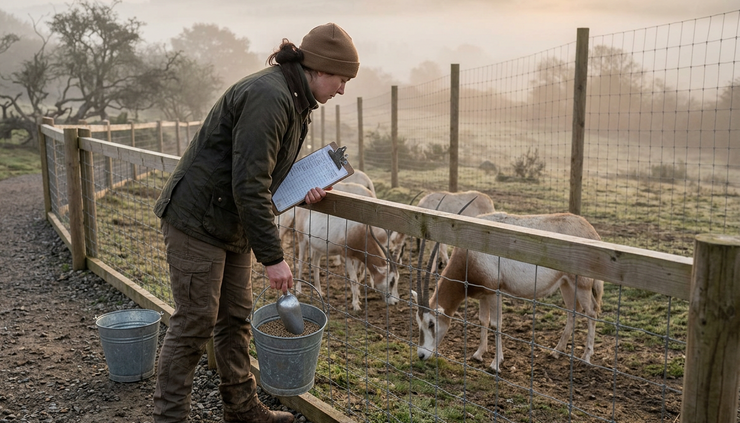
Animal care has always required more than routine
Many jobs follow a predictable pattern. Animal care does not.
Daily routines matter, of course. Feeding times, cleaning schedules, medication plans, water quality checks, enclosure inspections and behavioural observations all depend on consistency. Animals benefit from reliable care, and teams need clear systems to prevent mistakes.
Yet the best animal professionals know that routine is only the foundation. Real life rarely follows the ideal plan.
A keeper may arrive to find that an animal has refused food. A reptile house may need urgent temperature adjustment during a cold snap. A rescued dog might respond badly to a new sound. A mare due to foal may show early signs of labour. A filtration fault in an aquatic system may require immediate action before water quality declines.
These moments ask staff to think clearly and act quickly. They also ask for humility. No one knows everything, and no single role can carry an organisation alone.
The modern animal industry depends on people who can combine structure with judgement. They follow protocols, but they also notice small changes. They respect records, but they also trust careful observation. They know when to solve a problem themselves and when to call for help.
That balance takes time to build. It comes from experience, mentoring, training and a willingness to keep learning.
Flexibility is a professional skill
Flexibility in animal care is sometimes misunderstood. It does not mean accepting poor planning, endless unpaid labour or unsafe working conditions. It does not mean staff should be available at all hours without support.
True professional flexibility means being able to adapt in ways that protect animals, colleagues and standards.
In practice, that can include:
Changing the order of tasks when an animal needs urgent attention
Supporting another section during staff shortages
Learning a new record-keeping system
Adjusting a presentation when an animal chooses not to participate
Responding calmly to severe weather, equipment failure or transport delays
Updating husbandry routines when new welfare guidance becomes available
Working with vets, educators, maintenance teams and volunteers to solve a shared problem
This kind of flexibility is not random. It depends on preparation.
A flexible team has clear training, good communication and practical contingency plans. Staff know where emergency equipment is kept. They know who to contact. They understand which decisions they can make and which need senior approval. They can step outside their usual area without losing sight of safe practice.
For example, a farm attraction during a busy school holiday may need animal care staff to help manage visitor flow near a lambing shed. That does not make them entertainers first and animal carers second. It means they understand that animal welfare, public safety and visitor education often overlap.
In an aquarium, a member of the education team may notice unusual fish behaviour during a public talk and report it quickly. In a rescue centre, maintenance staff may spot a damaged gate before it becomes an escape risk. In a zoo, horticultural staff may help shape habitats that support natural behaviour as well as visual appeal.
Flexibility works best when everyone understands the shared purpose.
Commitment is visible in small daily choices
The public often sees the appealing side of animal work: feeding demonstrations, young animals, conservation stories and close-up encounters. Those moments matter, but they show only a small part of the profession.
Much of the commitment sits in less visible tasks.
It appears when a keeper records appetite changes accurately at the end of a long day. It appears when a rescue worker gives a nervous animal time rather than rushing progress. It appears when an aquarist repeats water tests until the results make sense. It appears when a livestock team checks fencing in heavy rain because one loose panel could cause harm.
Good animal care is built through small, repeated acts of attention.
These tasks may not look dramatic, but they shape welfare outcomes. A missed note can delay treatment. A rushed clean can increase disease risk. A poorly secured latch can create danger. A feeding error can have serious effects.
Commitment also means doing the right thing when it is inconvenient. That might mean cancelling an animal activity because the animal is not showing the right behaviour on the day. It might mean telling visitors that an enclosure is quiet because the animals have chosen to rest. It might mean changing a long-standing routine because new evidence suggests a better approach.
This is where animal work differs from many visitor-facing industries. The goal is not simply to give people what they expect. The goal is to create experiences that respect the needs of living animals.
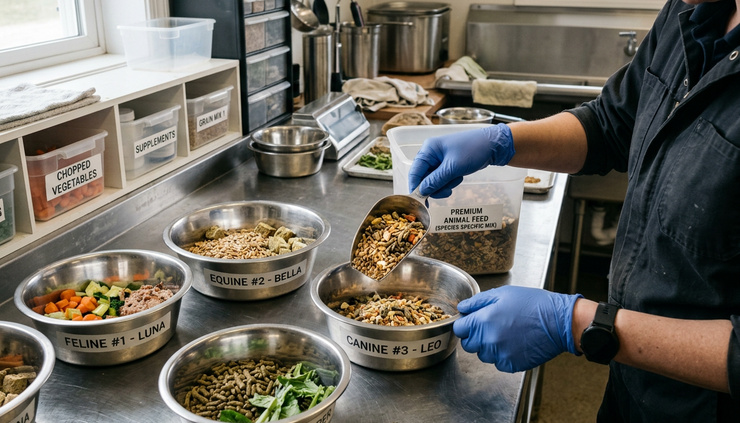
Modern collections need creativity as well as care
Today’s animal organisations are judged on more than whether animals are fed, clean and safe. Those basics remain essential, but they are only the starting point.
Modern welfare thinking recognises the importance of behavioural choice, environmental complexity and species-specific care. A good habitat should allow animals to rest, explore, hide, climb, forage, socialise or avoid contact according to their needs. Enrichment should have a purpose, not just provide novelty for visitors.
That calls for creativity across many roles.
Keepers may design feeding methods that encourage natural foraging. Horticultural teams may choose planting that gives shade, cover and seasonal interest while remaining safe for the species. Maintenance staff may build structures that can withstand daily use. Educators may create activities that help visitors understand behaviour rather than simply watch it.
The best visitor experiences often come from this joined-up approach. A talk about otters becomes more meaningful when visitors can see how scent trails, puzzle feeders and water features encourage natural movement. A farm session has more value when it highlights responsible handling, biosecurity and the animal’s comfort. A conservation display works better when it connects a species to habitat loss, sustainable choices and real field projects.
Creativity also helps organisations respond to animals as individuals. Two animals of the same species may show different preferences. One may enjoy puzzle feeders, while another prefers scattered feeding. One may be confident around new objects, while another needs gradual introduction. Flexible care allows teams to adapt without losing consistency.
This is one reason staff observation remains so important, even as technology improves. Cameras, digital records and sensors can support care, but they do not replace skilled people who know an animal’s normal behaviour.
Continuous development keeps standards moving
The animal industry changes because knowledge changes. Welfare standards that once seemed acceptable may no longer meet current expectations. New research reshapes thinking on nutrition, enclosure design, training, social grouping, veterinary care and stress reduction.
That is a positive sign. A profession that learns is a profession that improves.
Continuous development can take many forms. Some learning is formal, such as qualifications, workshops, conferences, inspections and professional courses. Some happens through mentoring, team discussions, case reviews and daily practice. A new keeper may learn as much from watching an experienced colleague handle a difficult moment as from reading a handbook.
Meaningful development also needs honesty. Teams must be able to ask hard questions.
Are animals showing the behaviours expected for their species?
Do records reveal repeated issues at certain times of year?
Are enrichment plans based on goals, or are they repeated through habit?
Do public experiences support welfare, or place pressure on animals?
Are staff confident in emergency procedures?
Do volunteers receive enough guidance for the tasks they carry out?
Questions like these do not weaken an organisation. They strengthen it.
A culture of learning helps staff feel safe to report concerns early. It also helps managers identify training needs before small gaps become serious problems. In animal settings, silence can be costly. Clear communication protects both people and animals.
Continuous development also keeps careers alive. Animal work can be physically and emotionally demanding. Staff who feel they are growing, contributing and developing new skills are more likely to stay engaged. That matters in a sector where experience has real value.
Public expectations have changed
Visitors are more informed than they once were. Many arrive with questions about welfare, conservation, ethics and sustainability. They want to know where animals came from, why they are kept, how their needs are met and what the organisation contributes beyond a day out.
This shift has raised the bar for communication.
Staff may need to explain why an animal is off show, why a habitat looks less tidy than a traditional display, or why direct contact is limited. They may need to manage disappointment when an animal encounter changes at short notice. They may need to challenge outdated ideas, such as the belief that all animals should be visible and active all day.
These conversations require confidence and tact. A defensive response can damage trust. A clear, respectful explanation can build it.
For example, telling visitors that a tiger has access to private space helps explain choice and control. Explaining that a parrot is not taking part in a session because participation is voluntary can introduce positive reinforcement principles. Showing how browse, scent work or scatter feeding encourages natural behaviour can turn a quiet enclosure into a learning opportunity.
Public engagement is not separate from animal care. Done well, it supports it.
Educators, keepers and front-of-house teams all play a role in shaping how visitors understand animals. Their work can inspire future carers, encourage support for conservation and help people make more informed choices about pets, wildlife and the natural world.
Technology can support care, but people still matter most
Digital tools now play a growing role in animal management. Many organisations use software for daily records, veterinary notes, stock control, compliance tasks and behavioural data. Cameras can help teams monitor nocturnal animals, nesting behaviour or post-operative recovery. Environmental sensors can track temperature, humidity, light and water quality.
These tools can improve accuracy and make patterns easier to spot. A digital record may reveal a gradual change in weight, appetite or behaviour that would otherwise be missed. Remote monitoring can reduce disturbance. Shared systems can help staff across departments access consistent information.
Yet technology only helps when people use it well.
Poor records remain poor records, even on a modern platform. A sensor reading still needs interpretation. A camera clip still needs someone who knows what normal behaviour looks like. Digital systems can support decisions, but they should not replace professional judgement.
This is another reason flexibility matters. Staff may need to learn new systems, adapt workflows and build confidence with unfamiliar tools. Managers need to introduce technology in a way that supports care rather than adding unnecessary pressure.
The best approach keeps the purpose clear. Technology should help teams notice more, communicate better and act sooner. If it distracts from animals or creates confusion, the system needs review.
Teamwork holds animal organisations together
No animal establishment succeeds through one role alone. Keepers may be the most visible animal care staff, but they rely on a wider network.
Veterinary teams guide health care. Maintenance teams keep facilities safe and functional. Horticultural staff shape habitats and manage plant safety. Education teams connect visitors to meaningful messages. Reception and admissions staff often set the tone for a visit. Managers balance welfare, staffing, budgets, compliance and long-term planning. Volunteers add time, enthusiasm and valuable support when trained and supervised well.
When these roles communicate, standards rise.
Consider a new habitat project. Animal staff understand behavioural needs. Maintenance teams understand materials, drainage and access. Horticultural specialists understand planting, shade and soil conditions. Education staff understand visitor sightlines and interpretation. Managers understand budget, regulation and timescale. The final result improves when each voice contributes early.
By contrast, poor communication creates avoidable problems. A feeding change may affect storage needs. A new plant may be unsafe for a species. A visitor route may increase noise near a sensitive area. A repair may disrupt a breeding pair if timing is not discussed.
Strong teamwork does not happen by accident. It needs respect between departments, clear handovers and a shared belief that every role contributes to welfare.
One of the healthiest signs in an animal organisation is a culture where people raise concerns without fear. If a volunteer notices a latch issue, they should feel able to report it. If a junior keeper spots a change in behaviour, the team should listen. If an educator sees visitor behaviour affecting animals, that feedback should reach animal staff quickly.
Animals benefit when information moves freely.
Flexibility should not mean burnout
Commitment is essential in animal work, but it can become unhealthy when organisations rely on goodwill to cover deeper problems.
Many animal professionals enter the sector because they care deeply. That strength can also make them vulnerable to overwork. They may stay late, skip breaks, accept extra shifts or carry emotional strain because the animals need care. During emergencies, that dedication can be vital. As a long-term staffing model, it is not sustainable.
A responsible organisation recognises the difference between commitment and exploitation.
Good managers plan for predictable pressure points, such as school holidays, extreme weather, breeding seasons, inspections and staff training days. They review rotas, build realistic cover and encourage proper rest. They make it clear that reporting fatigue is a safety issue, not a personal weakness.
Animal care involves physical tasks, sharp observation and sometimes quick judgement. Tired staff are more likely to miss details or make mistakes. Protecting staff welfare helps protect animal welfare.
This does not remove the need for flexibility. It gives flexibility a healthier structure. Teams can respond to unexpected events because they are trained, supported and rested enough to do so.
Sustainable commitment keeps people in the profession. That matters for animals, because experienced staff carry knowledge that cannot be replaced quickly.
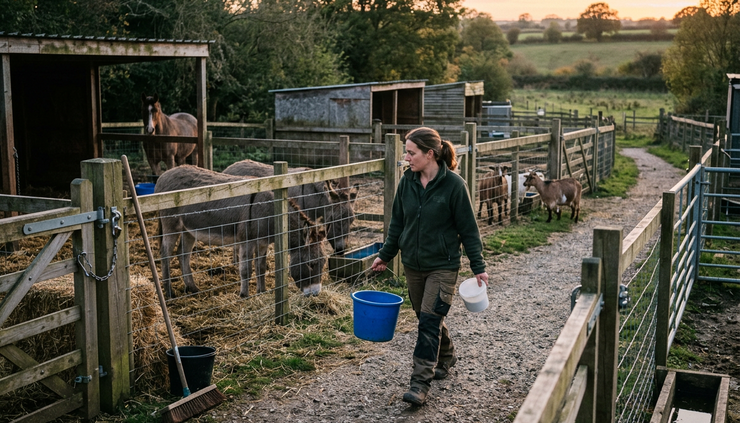
Leadership sets the standard for adaptability
Flexible teams need flexible leadership. This does not mean leaders should change direction every week. It means they should respond to evidence, listen to staff and make decisions that support the organisation’s values.
In animal settings, leadership appears in everyday choices:
Prioritising animal welfare when commercial pressure rises
Giving staff time to complete records properly
Supporting training rather than treating it as an optional extra
Reviewing incidents without blame where possible
Explaining decisions clearly during change
Encouraging collaboration between departments
Making sure volunteers understand their responsibilities
Leaders also shape how teams respond to mistakes. In any practical environment, errors and near misses can happen. The key question is whether the organisation learns from them.
A blame-heavy culture encourages people to hide problems. A fair and accountable culture encourages early reporting, honest review and better systems. That distinction can affect animal safety directly.
For example, if a medication error almost occurs because two labels look similar, the answer is not only to tell one person to be more careful. The team should also review storage, labelling, checking procedures and training. Flexibility at leadership level means being willing to improve systems instead of relying on memory and goodwill.
Good leadership also protects clarity. During change, staff need to know what is expected. If a new welfare policy, visitor experience or digital system is introduced, teams need time to understand it and ask questions. Change fails when people receive instructions with no context.
Conservation and education depend on credibility
Many modern animal organisations describe conservation and education as central to their purpose. Those aims carry weight only when daily practice supports them.
Visitors are more likely to trust conservation messages when they can see high standards of care. A talk about protecting rainforest species has more impact when the animals in front of visitors live in well-designed habitats. A lesson on native wildlife feels stronger when the site manages its own grounds with biodiversity in mind. A rescue centre’s welfare advice carries more force when its handling, housing and rehoming practices match the message.
Commitment, then, reaches beyond individual animals. It supports public trust.
This matters because animal organisations often act as a bridge between people and the natural world. For many visitors, a zoo, aquarium, wildlife park or farm attraction may offer a rare chance to observe animals closely. That experience can shape attitudes for years.
The responsibility is significant. Poor practice can reinforce harmful ideas. Good practice can encourage respect, curiosity and care.
Education works best when it is honest. Not every conservation story has a simple happy ending. Not every species can be saved by individual lifestyle choices alone. Still, clear and thoughtful communication can help people understand the pressures facing wildlife and the role that responsible organisations can play.
The future will favour adaptable professionals
The demands on the animal sector will keep changing. Climate change is likely to increase weather-related challenges for many sites. Biosecurity awareness remains vital. Costs may affect staffing, feed, energy and development plans. Public debate about the ethics of keeping animals will continue. Welfare science will keep moving.
Professionals who thrive in this environment will not be those who cling to habit. They will be those who combine strong values with a willingness to learn.
That does not mean abandoning the basics. Feeding, cleaning, observing, recording and maintaining safe environments will always matter. The future of animal care depends on doing these basics well while staying open to better methods.
For individuals, this means building a broad skill set. Practical husbandry remains essential, but communication, data handling, public engagement, teamwork and emotional resilience all matter too. For organisations, it means creating cultures where staff can grow, ask questions and challenge weak practice.
The phrase Flexibility and Commitment in the Modern Animal Industry captures a central truth: care depends on both. Flexibility without commitment becomes inconsistency. Commitment without flexibility becomes rigidity. Animals need people who can offer both.
A profession built on responsibility
Working with animals can be deeply rewarding, but it is rarely easy. It asks people to turn up in poor weather, keep learning after long days, notice small changes and make decisions that put welfare first. It asks teams to balance public engagement with animal choice. It asks leaders to support people as well as standards.
The modern animal industry has no room for complacency. It needs skilled, reflective professionals who understand that care is an active process. Every record, repair, feed change, habitat plan, health check, training session and visitor conversation contributes to the whole.
Flexibility keeps teams responsive. Commitment keeps standards strong. Together, they allow animal organisations to meet the needs of the animals in their care while earning the trust of the people who come to learn from them.


Comments